Understanding Garage Door Springs: Types and Functions
Garage door springs play a crucial role in the functionality and safety of your garage door system. Without these essential components, the door would be nearly impossible to operate. When exploring options, garage door spring broken can lead to significant operational issues that require immediate attention. Understanding the types of garage door springs and their functions can empower homeowners to take proactive measures in maintenance and repairs.
What is a Garage Door Spring?
A garage door spring is a mechanical device that counterbalances the weight of the door, enabling it to open and close smoothly. These springs are engineered specifically to handle the substantial weight of the door, providing the necessary tension to facilitate its movement. They work in conjunction with various components such as the garage door opener, tracks, and rollers to ensure efficient operation.
Types of Garage Door Springs Explained
There are two primary types of garage door springs: torsion springs and extension springs. Understanding their differences can help you identify which type you have and how best to care for them.
- Torsion Springs: Mounted above the garage door, torsion springs are wound tightly and store energy when the door is closed. As the door opens, the tension is released, allowing smooth operations. Torsion springs are generally more durable and are capable of handling heavier doors.
- Extension Springs: Located on either side of the garage door, extension springs stretch and contract as the door opens and closes. They can be easier to install but may require more frequent replacements due to wear and tear.
Common Functions and Importance
The primary function of garage door springs is to make the opening and closing of the garage door much easier. Without these springs, the heavy weight of the door would make manual operation extremely difficult and dangerous. Properly functioning springs ensure that the door moves smoothly and reduces strain on the door opener, thereby extending its lifespan. Regular maintenance and timely repairs of these components are essential for maintaining a functional garage door system.
Signs Your Garage Door Spring is Broken
Recognizing a broken garage door spring is crucial to prevent further damage and ensure safety. Knowing what to look for can save you time and money in repairs.
Identifying Physical Symptoms
Physical signs of a broken garage door spring can include the door appearing crooked when closed, failing to open or close completely, or making unusual noises during operation. If you notice that your garage door is significantly heavier than usual, it may indicate a spring issue.
Common Sounds Indicating a Problem
When a garage door spring is broken, you might hear loud sounds such as a bang or snap, indicating a failure. Additionally, if the door struggles to open or emits grinding noises, these could be signs that the springs are not functioning properly.
Impact on Your Garage Door Operation
A broken spring can lead to a total halt of operations, rendering the garage door inoperable. This can pose security risks and inconvenience for homeowners. Timely identification of these issues is vital to restoring the garage door's functionality and ensuring safety.
Emergency Response: What to Do When a Garage Door Spring Breaks
When a garage door spring breaks, it is crucial to take immediate steps to avoid injury and further damage to the door. Your first reaction should always prioritize safety.
Immediate Steps to Take
Once you suspect that your garage door spring is broken, cease using the door immediately. Attempting to open or close the door can exacerbate the problem or lead to injury. Clear the area around the door to ensure safety and prevent accidents.
Safety Precautions to Consider
Garage doors are heavy and can be dangerous if not handled correctly. If you decide to inspect the door, make sure to use proper safety gear, such as gloves and safety glasses. Never attempt to repair or replace garage door springs without the necessary knowledge and tools, as this can be hazardous.
When to Call a Professional
If the spring is broken, contacting a professional repair service is the best option. A trained technician can assess the situation, replace the spring safely, and ensure that the garage door is operating correctly afterwards.
Expert Solutions: Repairing a Broken Garage Door Spring
Repairing a broken garage door spring can seem daunting, but understanding the process can help ease your concerns. Here, we cover the options available to homeowners.
DIY vs. Professional Repair
While some homeowners may be tempted to handle spring repairs themselves, it's important to note that replacing garage door springs can be dangerous. Many professionals recommend hiring an experienced technician to ensure the job is done safely and correctly. DIY repairs might save money upfront but can lead to costly consequences if not executed properly.
What to Expect from a Garage Door Technician
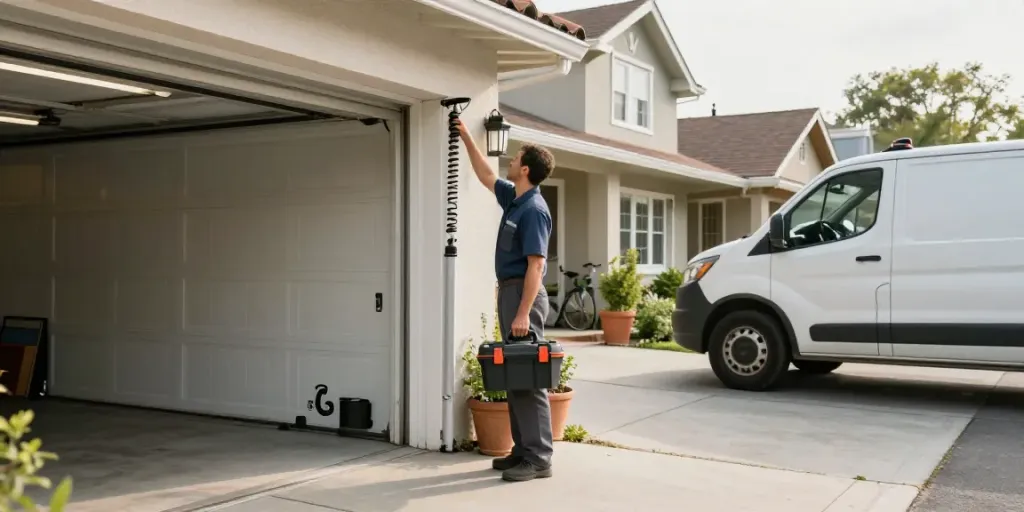
When you call in a technician, they will assess the condition of your garage door springs and other hardware. A qualified technician will provide a detailed explanation of the repairs needed and offer a fixed quote before any work commences. Expect them to carry necessary replacement parts, ensuring a swift and efficient service.
Cost Considerations for Spring Repair
The cost of replacing a garage door spring can vary based on the type of spring and the extent of the damage. On average, homeowners in Inglewood can expect to pay between $150 and $350 for professional spring replacement, depending on the materials used and labor fees. Regular maintenance can help avoid these costs by ensuring springs are functioning correctly and are not close to failure.
Preventive Maintenance: Extending the Life of Your Garage Door Spring
Preventive maintenance is key to prolonging the lifespan of your garage door springs and avoiding unexpected repairs. Here are some essential tips to keep in mind.
Routine Checks and Maintenance Tips
Perform regular inspections of your garage door springs to identify any signs of wear, such as rust, stretching, or cracking. Lubricating the springs every few months can help reduce friction and wear. Listening for unusual sounds during operation can also give you early warning signs of potential problems.
Essential Tools for Homeowners
While most maintenance tasks can be performed without specialized tools, having a few essentials on hand can make the process easier. Consider having a quality lubricant, a wrench set, and safety gear. For those who prefer not to tackle maintenance themselves, it’s a good idea to engage a professional service periodically to perform thorough checks.
When to Schedule Professional Inspections
It's advisable to schedule professional inspections at least once a year, or more often if your garage door is used frequently or is affected by severe weather conditions. Regular inspections can help identify problems before they escalate, saving you time and money.
What are the symptoms of a broken garage door spring?
Symptoms of a broken garage door spring include uneven door alignment, excessive noise during operation, and inability to open or close the door. If you notice these issues, it's imperative to seek a professional assessment.
How much should it cost to replace a broken spring on a garage door?
The replacement cost can range significantly, but common pricing is generally between $150 and $350, depending on various factors such as brand and type of springs used.
Can I use my garage door if one spring is broken?
It is not recommended to use your garage door if one spring is broken, as this can place additional stress on the remaining components and can lead to further damage or hazardous situations.
Can I fix my garage door spring myself?
While it is theoretically possible, fixing a garage door spring is highly dangerous without the proper training and tools, and is generally discouraged. It is safer and more efficient to engage a professional.
What should I do if my garage door is stuck?
If your garage door is stuck, first ensure that the power supply to the opener is functioning and check if any obstructions are blocking the door's path. If these simple checks do not resolve the issue, call a garage door technician for professional assistance.