Understanding Mini Split AC Units
As more homeowners and businesses seek efficient heating and cooling solutions, the mini split ac unit has emerged as a popular choice. These compact systems not only provide exceptional climate control but also integrate seamlessly into various spaces with minimal disruption. In this comprehensive guide, we will explore everything you need to know about mini split AC units, including their benefits, installation processes, cost factors, maintenance tips, and future trends.
What is a Mini Split AC Unit?
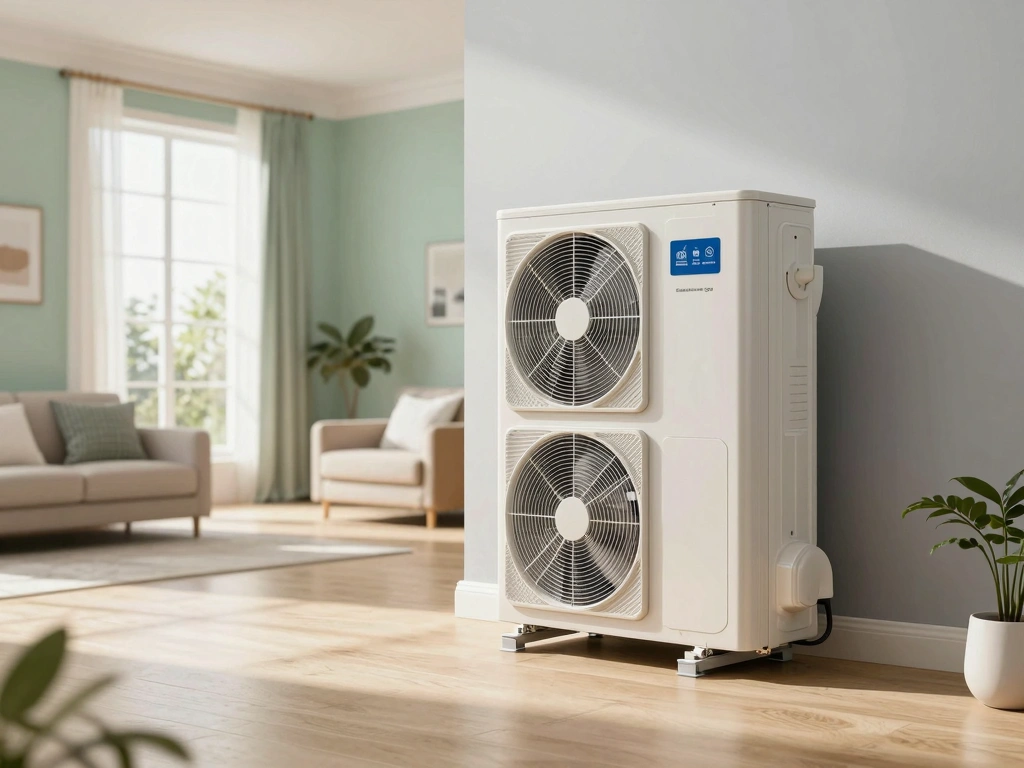
A mini split AC unit, also known as a ductless mini-split system, consists of two main components: an indoor unit and an outdoor condenser. Unlike traditional air conditioning systems that rely on ductwork, mini splits allow for flexible installation options, making them ideal for homes without existing ducts, additions, or even for specific rooms. The indoor unit can be wall-mounted, ceiling-mounted, or floor-mounted, providing a customized comfort experience.
Key Benefits of Mini Split AC Units
- Energy Efficiency: Mini split systems are known for their energy-efficient technology, which can significantly lower energy bills, particularly in climates with heating and cooling needs year-round.
- Flexible Installation: The lack of ductwork allows for straightforward installation in various settings, including residential and commercial properties.
- Zone Control: Mini splits offer the ability to cool or heat individual rooms, providing customized comfort and reducing energy consumption in unoccupied spaces.
- Quieter Operation: These systems operate much quieter than traditional units, enhancing indoor comfort without disruptive noise.
- Improved Air Quality: Mini splits typically feature advanced filtration systems that help remove dust, allergens, and other pollutants from the air.
How Mini Split AC Units Work
Mini splits operate using the refrigeration cycle. The outdoor unit absorbs heat from the outside air and transfers it to the refrigerant, which then moves to the indoor unit. This heat is released indoors, warming the space. In cooling mode, the process reverses, drawing heat from the indoor air and expelling it outside, thus cooling the room. This versatility makes mini splits efficient for both heating and cooling needs.
Installing Your Mini Split AC Unit
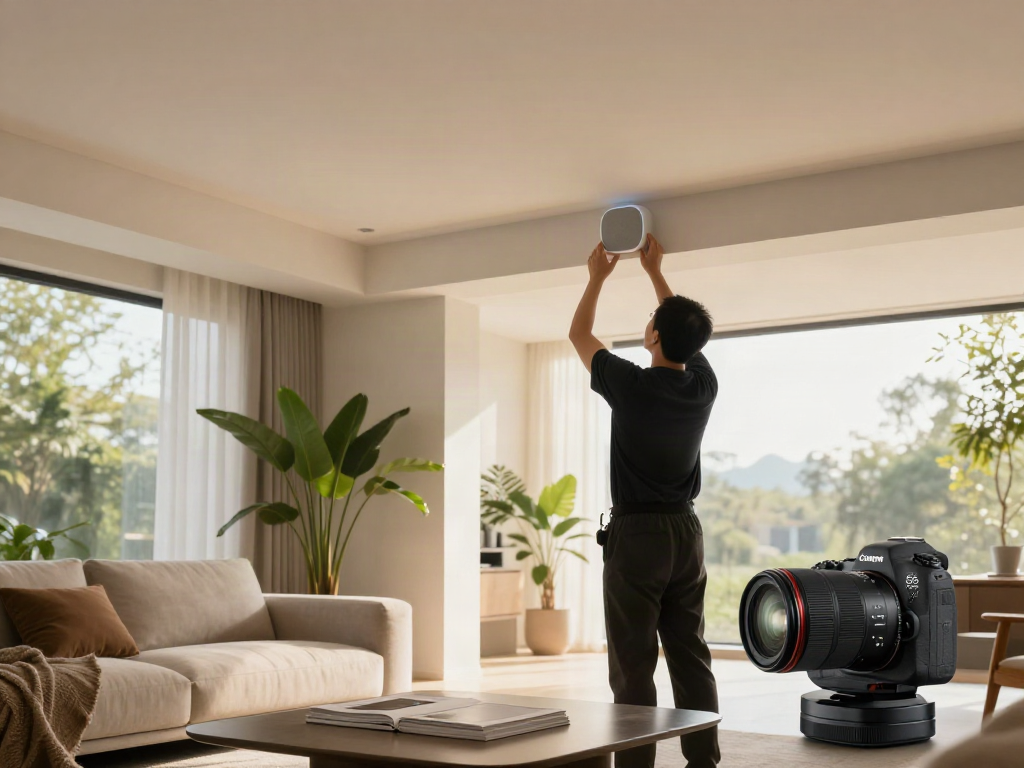
Installing a mini split air conditioning unit can be relatively straightforward, but it requires careful planning and proper execution. Understanding the installation process will help ensure optimal performance and longevity of your system.
Step-by-Step Installation Process
- Choose the Right Size: Determine the BTU capacity required for your space to ensure efficient operation.
- Select Installation Location: Identify appropriate locations for both the indoor and outdoor units, considering distance, accessibility, and aesthetics.
- Drill Necessary Holes: Create a hole for the refrigerant line, drain line, and electrical wiring, usually through an exterior wall.
- Mount the Indoor Unit: Secure the mounting bracket to the wall and install the indoor unit, connecting it to the refrigerant lines and electrical supply.
- Install the Outdoor Unit: Position the outdoor unit on a stable surface, ensuring adequate clearance for airflow and maintenance.
- Connect the Lines: Carefully connect the refrigerant and drain lines, ensuring all fittings are tight.
- Test the System: Once everything is connected, turn on the system to check for leaks and ensure proper operation.
Common Installation Mistakes to Avoid
While installing a mini split can be a DIY project, there are some common pitfalls to be aware of:
- Incorrect Sizing: Choosing a unit that is too small or too large for the space can lead to inefficiency and discomfort.
- Poor Placement: Inadequate airflow or improper indoor unit placement can hinder performance.
- Neglecting Maintenance: Failing to clean filters and check components regularly can impact system efficiency.
Hiring a Professional vs. DIY
While some homeowners may opt for a DIY installation, hiring a professional can ensure that the unit is properly installed and optimized for efficiency. Professionals can also navigate local codes and regulations more effectively, providing peace of mind along with a warranty on their workmanship.
Cost Factors for Mini Split AC Units
Understanding the financial aspects of installing and operating a mini split AC unit is crucial for budgeting effectively.
Initial Costs and Budgeting
The initial costs of a mini split system can vary widely based on factors such as brand, size, installation complexity, and additional features. On average, homeowners can expect to pay between $1,500 and $5,000 for a complete system, including installation. It is essential to obtain quotes from multiple contractors to ensure competitive pricing.
Long-Term Savings on Energy Bills
The energy efficiency of mini split units can lead to significant savings on monthly utility bills. Energy Star-rated models are particularly beneficial, often using up to 30% less energy than standard units. This efficiency translates into lower operating costs over the lifespan of the system.
Financing Options for Installation
Many HVAC contractors offer financing options that can help alleviate the upfront costs of installation. Additionally, there may be rebates and tax credits available for energy-efficient systems, particularly in regions focused on sustainability and energy conservation.
Maintaining Your Mini Split AC Unit
Proper maintenance is key to ensuring the longevity and efficiency of your mini split AC unit. Regular care can prevent costly repairs and optimize performance.
Routine Maintenance Tips
- Clean or Replace Filters: Check filters every month and clean or replace them as needed to maintain airflow and efficiency.
- Inspect the Outdoor Unit: Remove debris, leaves, and ice from around the outdoor unit to ensure proper airflow.
- Check Refrigerant Levels: Ensure that refrigerant levels are adequate, as low levels can affect performance.
Recognizing and Troubleshooting Common Issues
Common issues with mini split systems include unusual noises, poor airflow, or inconsistent cooling. If you notice any of these signs, perform a quick inspection of filters and check for obstructions. If problems persist, it may be time to consult a professional technician.
When to Call a Technician
If you encounter persistent issues or your unit is not operating effectively, it’s advisable to call a technician. Signs that professional help is needed include refrigerant leaks, erratic temperatures, or electrical issues.
Future Trends in Mini Split Technology
As technology continues to advance, mini split systems are becoming increasingly sophisticated, offering enhanced features that improve user experience and energy efficiency.
Innovations to Expect in 2026
In the coming years, we can expect to see mini split systems integrate more seamlessly with smart home technology, allowing homeowners to control their climates from anywhere via smartphones and smart devices. Additionally, advancements in inverter technology will lead to even higher energy efficiency ratings.
Environmental Impact and Energy Efficiency
The ongoing push for energy-efficient appliances is resulting in the development of systems that not only benefit users financially but also contribute to environmental sustainability. Expect future mini split units to utilize eco-friendly refrigerants and reduced greenhouse gas emissions.
Integration with Smart Home Systems
Smart technology integration is anticipated to become a standard feature in mini split systems, allowing compatibility with various home automation systems. This will enable users to set schedules, monitor energy usage, and adjust settings remotely, all while enhancing comfort.