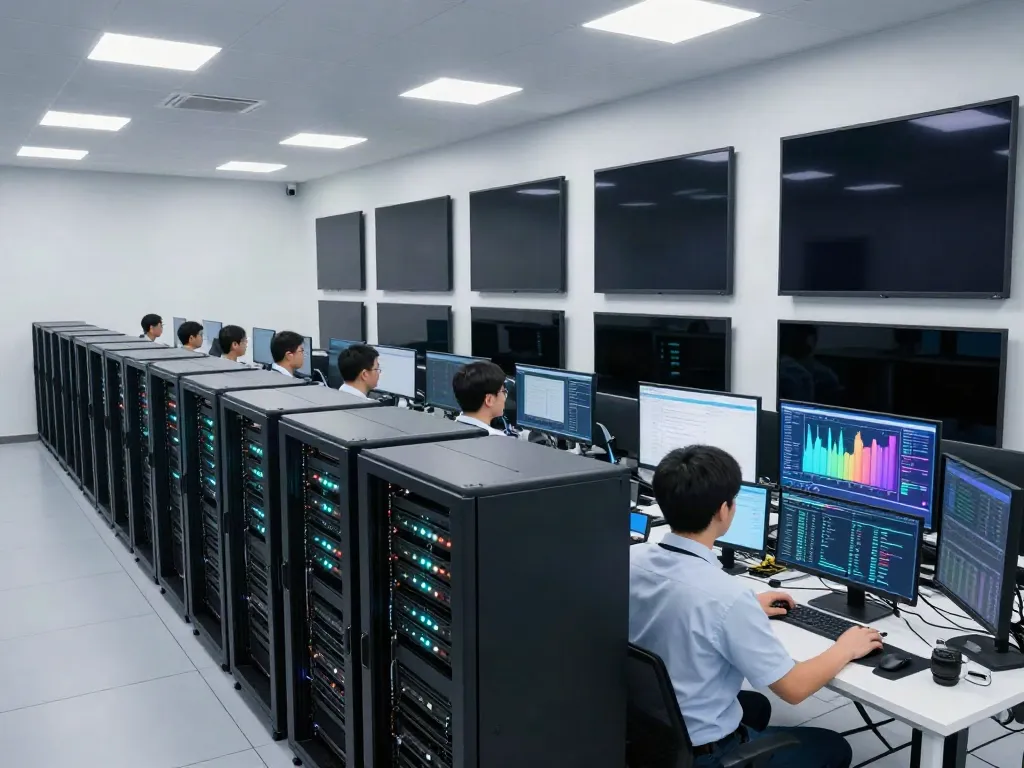
Understanding AI Data Centers
AI data centers are revolutionizing how businesses deploy artificial intelligence (AI) solutions and manage complex workloads. These specialized facilities are designed to provide the computational resources necessary for training and executing AI models efficiently. As the demand for AI applications grows, so does the need for robust infrastructure capable of handling unique challenges associated with artificial intelligence processing. When exploring options, AI data center solutions offer comprehensive insights into the essential components that make these centers thrive.
What Defines an AI Data Center?
An AI data center is a facility that utilizes high-performance computing resources specifically tailored for AI-related tasks, such as machine learning, deep learning, and big data analytics. The defining features of an AI data center include:
- High-Density Computing: AI workloads require substantial processing power, which is typically provided by clusters of GPUs (graphics processing units) capable of handling parallel processing efficiently.
- Advanced Cooling Systems: Due to the high thermal output from GPU-intensive tasks, AI data centers employ sophisticated cooling solutions to maintain optimal operating temperatures.
- Scalability: These facilities are designed to expand and adapt to increasing workloads, allowing organizations to scale their AI initiatives seamlessly.
- Low Latency Networking: High-speed networking capabilities ensure that data transfer between machines is rapid, facilitating real-time processing and analysis.
Key Components of High-Performance AI Infrastructure
To ensure effective AI operations, several key components must be integrated into an AI data center:
- Compute Resources: Primarily consisting of GPUs, these resources are optimized for AI-specific tasks, providing the necessary parallel processing capabilities.
- Storage Solutions: Fast and efficient storage systems are essential for managing the large datasets frequently used in AI training processes.
- Power Management: Managing power supply effectively is crucial, as AI workloads can demand substantial energy, necessitating reliable and scalable power sources.
- Infrastructure Monitoring: Constant monitoring of system performance and resource utilization helps in identifying bottlenecks and optimizing operations.
Differences Between Traditional and AI Data Centers
While both traditional and AI data centers serve the purpose of processing data, they differ significantly in their design and operational focus:
- Workload Types: Traditional data centers often handle a variety of workloads, including web hosting and batch processing, whereas AI data centers are optimized for complex, data-intensive computations.
- Resource Allocation: AI data centers prioritize GPU resources over CPU resources to allow for efficient handling of AI workloads.
- Energy Consumption: AI data centers typically consume more energy due to their need for power-hungry GPU clusters, making energy efficiency a critical factor.
- Infrastructure Design: Traditional data centers are often built for redundancy and high availability, while AI data centers focus more on performance and scalability to accommodate rapidly changing workloads.
The Importance of Power in AI Data Centers
Power is a fundamental component of AI data centers, influencing not only operational capabilities but also cost management and environmental sustainability. The following sections delve deeper into why the power aspect is crucial.
How Power Efficiency Influences Performance
Efficient power management is essential for maintaining high performance in AI data centers. Inefficient power usage can lead to overheating and system failures, adversely affecting the computing capabilities necessary for AI tasks. By implementing energy-efficient technologies and practices, organizations can:
- Reduce operational costs associated with energy consumption.
- Enhance the overall performance of AI applications.
- Extend the lifespan of hardware by maintaining optimal operating conditions.
Calculating Electricity Costs for AI Operations
Understanding and managing electricity costs is vital for any organization operating an AI data center. These costs can fluctuate significantly based on:
- Energy Prices: Varying electricity tariffs can influence the overall operational budget.
- Power Usage: The amount of power consumed depends on the number of GPUs, type of workloads, and cooling requirements.
- Renewable Energy Sources: Integrating renewable energy can mitigate costs and provide sustainable benefits.
Environmental Impact of AI Data Centers
The environmental footprint of AI data centers is a growing concern. High energy consumption leads to increased carbon emissions unless offset by renewable energy initiatives. Organizations can take several steps to minimize their environmental impact, including:
- Utilizing renewable energy sources.
- Investing in energy-efficient technologies.
- Implementing cooling systems that reduce energy consumption.
Choosing the Right AI Data Center Plan
With various AI data center options available, selecting the right plan can be daunting. It's essential to consider your operational needs and future growth expectations when evaluating different services.
Types of Power Plans Available
Typically, AI data centers offer various power plans, catering to different requirements. Common types include:
- Core Power Access: Designed for users with standard needs.
- Enhanced Power Access: Suitable for those requiring additional resources.
- Advanced Power Access: Tailored for enterprises with extensive AI workloads.
Evaluating Your Participation and Contribution
Before committing to a power plan, organizations should evaluate their expected participation level. This evaluation includes:
- Understanding the power needs of specific AI workloads.
- Assessing the scalability options as AI demands grow.
- Analyzing potential return on investment based on projected output.
Factors to Consider When Selecting a Plan
When choosing an AI data center power plan, consider the following factors:
- Cost Structure: Analyze billing models to choose the most economical option.
- Performance Metrics: Review benchmarks and service level agreements.
- Support and Services: Ensure adequate support for maintenance and technical issues.
Challenges and Solutions in AI Data Centers
AI data centers face unique challenges, from scalability issues to power management complexities. However, innovative solutions are emerging to address these obstacles.
Common Obstacles in Scaling AI Infrastructure
Some significant challenges include:
- Resource Limitations: Insufficient GPU supply can hinder expansion.
- Cooling Requirements: Managing heat generated by high-performance computing can be difficult.
- Operational Costs: Rising electricity prices can impact profitability.
Best Practices for Managing Power Resources
To optimize power management, organizations can employ several best practices:
- Implement advanced monitoring tools to track energy usage in real time.
- Utilize predictive analytics to forecast power needs based on current workloads.
- Invest in energy-efficient infrastructure and renewable energy solutions.
Case Studies of Successful AI Data Center Implementations
Examining successful case studies can provide valuable insights. For example, a leading tech company that transitioned to an AI data center experienced:
- A significant reduction in operational costs through energy-efficient practices.
- Enhanced processing speed, enabling quicker AI model training and deployment.
- Improved reliability and scalability of its AI infrastructure.
The Future of AI Data Centers in 2026 and Beyond
As we look toward 2026, the landscape of AI data centers will continue to evolve. Organizations that leverage emerging technologies will gain a competitive edge.
Predictions for AI Infrastructure Developments
Several key trends are predicted to shape the future of AI data centers:
- Increased Adoption of AI: More industries will leverage AI, driving demand for powerful data centers.
- Focus on Sustainability: Environmental concerns will push for greener technologies in data center operations.
- Integration of AI in Infrastructure Management: AI will play a crucial role in optimizing data center performance and efficiency.
Emerging Technologies Shaping AI Data Centers
Technologies such as edge computing, quantum computing, and improved AI algorithms are set to redefine the capabilities of AI data centers. Each of these advancements aims to:
- Reduce latency and enhance real-time processing capabilities.
- Enable more sophisticated AI functionalities and workloads.
- Improve energy efficiency and reduce operational costs.
Preparing for Evolving Demand in AI Services
As AI continues to permeate various sectors, organizations must be prepared for increasing demand for data center services. This preparation involves:
- Investing in scalable infrastructure.
- Establishing flexible power plans to adapt to changing workloads.
- Enhancing skills and training for the workforce to manage advanced AI technologies.
What are the benefits of an AI data center?
AI data centers offer numerous advantages, including:
- Optimized performance for AI workloads.
- Scalability to handle fluctuating demand.
- Improved energy efficiency and reduced operational costs.
- Access to advanced technologies and resources.
Where to find AI data centers near me?
Finding local AI data centers can be achieved through online resources, industry directories, or by consulting with local technology providers. Consider factors such as:
- Proximity to your operational base.
- Available services and power plans.
- Client testimonials and case studies.
How can organizations effectively utilize AI data centers?
Organizations can optimize their use of AI data centers by:
- Assessing their specific computing needs and selecting appropriate power plans.
- Implementing robust data management and governance policies.
- Regularly reviewing performance metrics to ensure that infrastructure meets operational goals.
Are AI data centers sustainable for the future?
Sustainability is a key consideration for the future of AI data centers. Many organizations are shifting towards renewable energy sources and energy-efficient technologies to minimize their environmental impact and ensure long-term viability.